
DIAGNOSTIC
Where does AI belong in your organisation?
Through our SIGNAL method, we help organisations identify the few AI initiatives worth investing in, with a clear line to business impact.
What is SIGNAL?
A structured methodology that scores where you stand, and prioritises the AI initiatives worth funding.
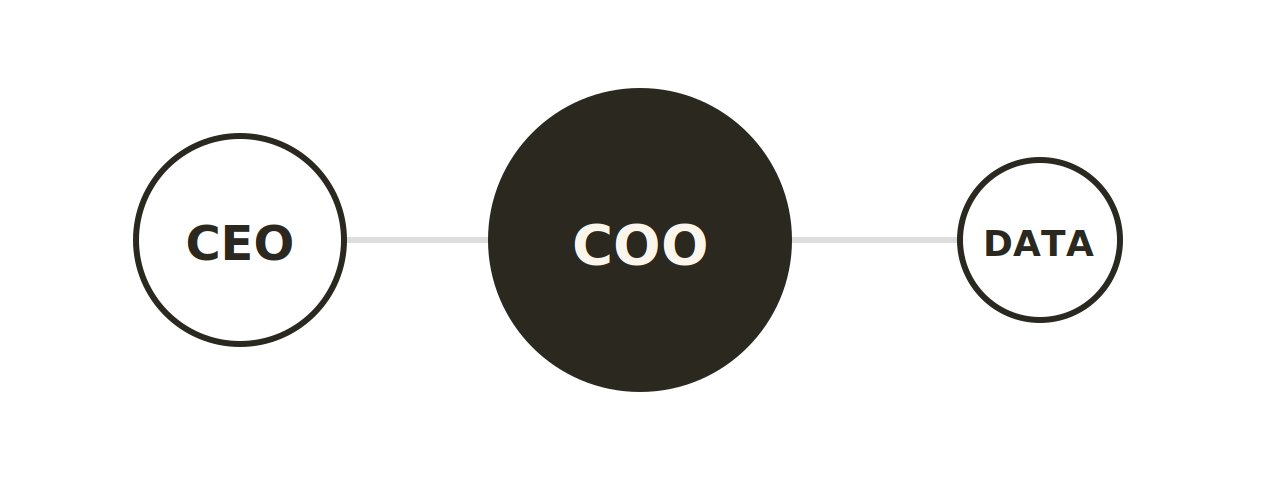
For ambitious organisations
Designed for mid-to-large enterprises with complex operations and growing data, where leadership teams need clarity on how to turn AI into real business value.
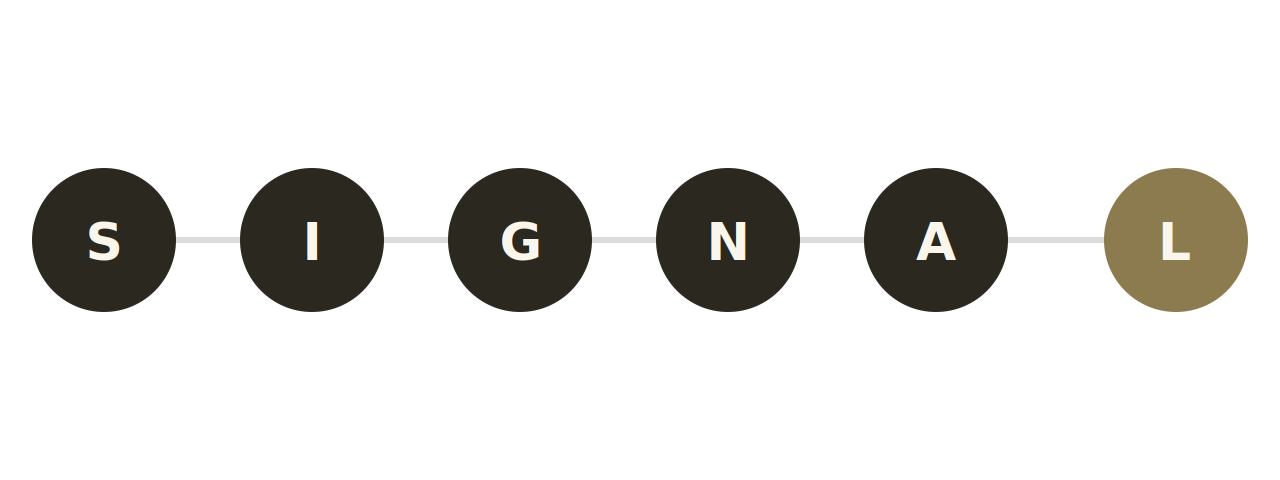
Through a six-week diagnostic
A structured approach combining interviews, data analysis, and benchmarking to assess where you stand and identify your highest-value AI opportunities.

Because AI shouldn't be guesswork
Most organisations are sitting on fragmented data and unclear priorities. Without a clear starting point, most AI investments get absorbed into activity without changing how the business runs.
How it works
From internal interviews to data mapping and benchmarking, each step produces a tangible output that builds toward a clear, decision-ready AI roadmap.
Six weeks. Six steps.
Co-define the perimeter with executive leadership. Collect existing strategy, organisation and systems documentation. Prepare differentiated interview guides for each audience layer so no interview is wasted.
Eight structured 1-hour interviews across three layers: executive leadership and strategy, business unit and operations leaders, Data and IT leadership. The reconciliation across these three layers is where the truth lives.
Direct access to systems and data flows. Map quality, ownership, and integration gaps with the rigour of a tech due diligence. Benchmark against one best-in-class reference organisation, not a peer.
Score on five dimensions, four sub-criteria each, rated 1 to 4. Calibrated against the best-in-class benchmark. The radar shows where the gaps are widest, and therefore where AI investment produces the most value.
From the scoring gaps, identify two to three AI use cases with the highest value-to-effort ratio. Each modelled with complexity, gain, investment, payback. Typical archetypes: customer intelligence, operations automation, compliance & risk pipelines.
Two-part executive session: a half-day in person for the findings readout and conviction-building, then a 2-hour prioritisation debate. The diagnostic note ships ready for executive, board, or stakeholder communication.
What you walk away with
Three artefacts. One recommendation.
Concrete deliverables - not a slide deck of frameworks. Each is structured for executive discussion, defensible at board follow-up, and built on the same scored evidence base.
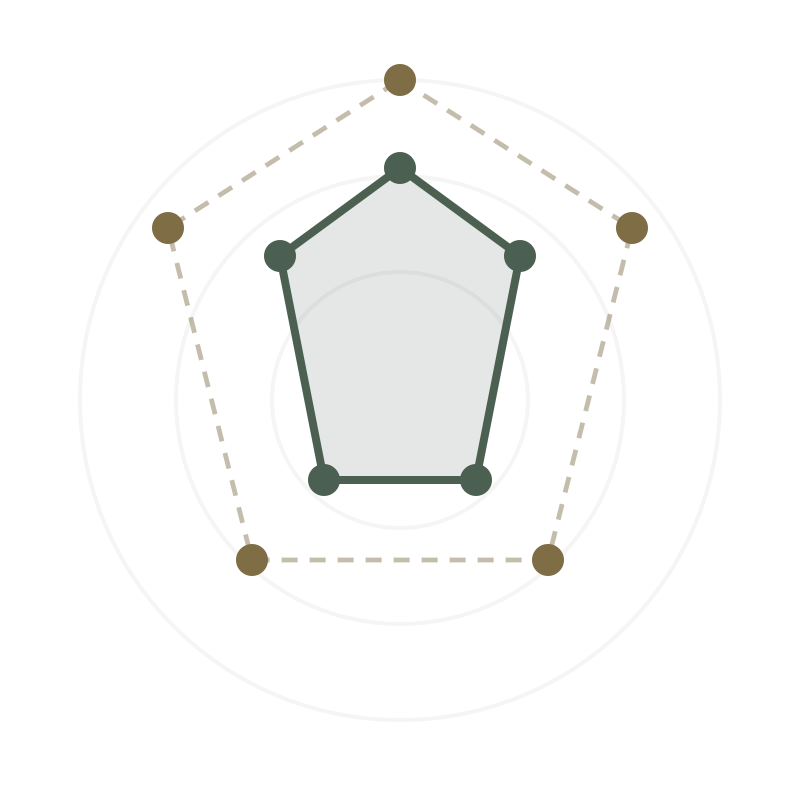
1. The SIGNAL Scorecard
A single visual radar of your organisation scored on four dimensions, overlaid with the best-in-class benchmark. The diagnostic at executive resolution - clear enough to read in 30 seconds, defensible enough to anchor a board discussion.
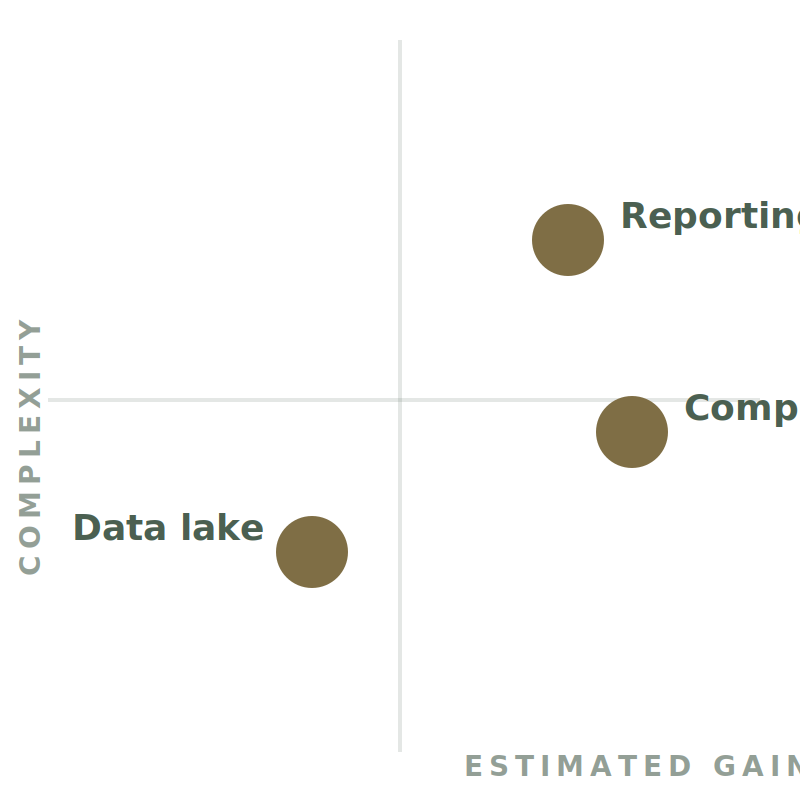
2. The AI Opportunity Map
2-3 priority AI use cases plotted on complexity vs. gain, with full value modelling: investment, payback, implementation timeline. Prioritised, calibrated to your strategic priorities, ready to sequence into a roadmap.
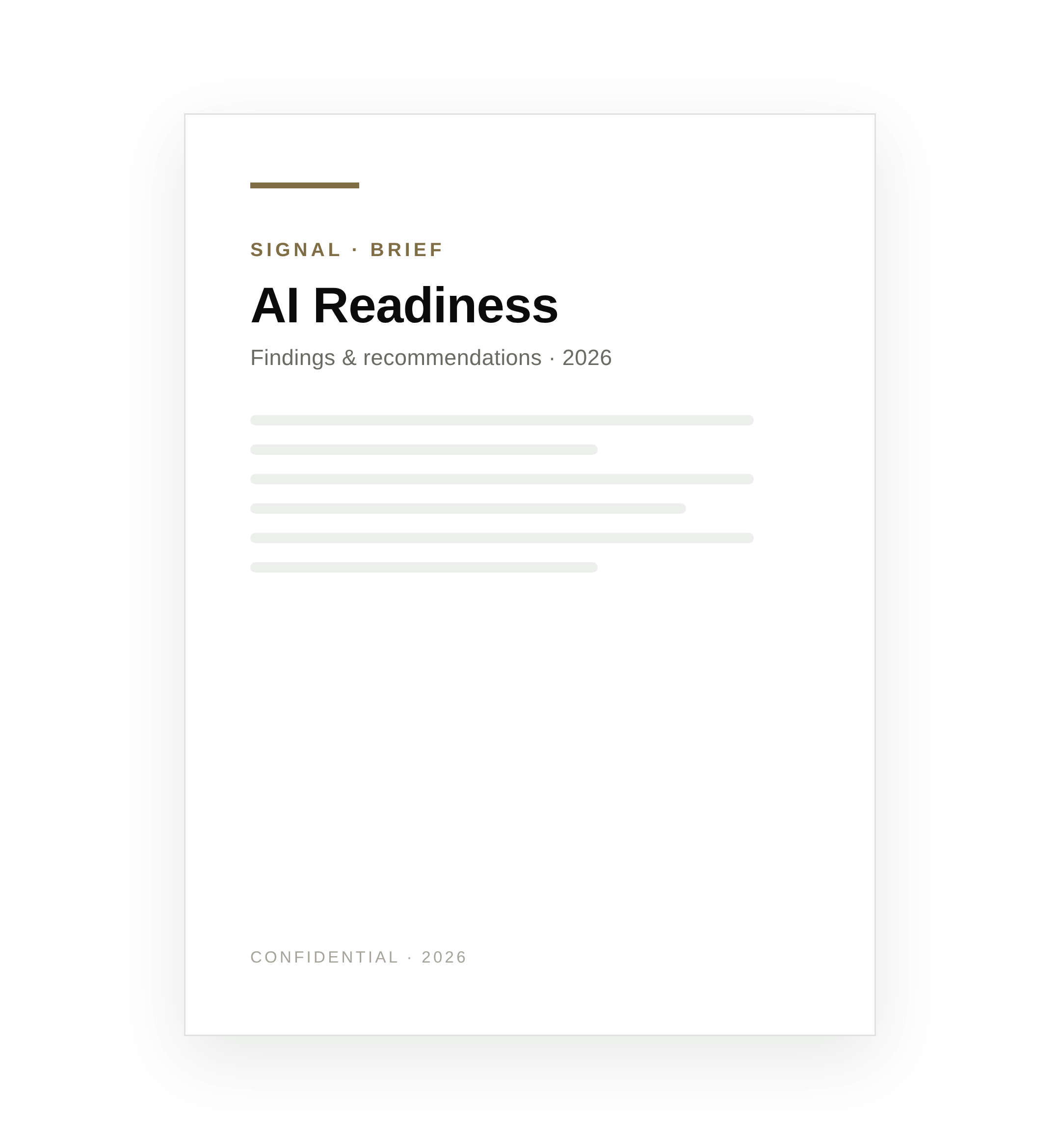
3. The SIGNAL Brief
A 10-15 page strategic document - findings, gaps, benchmark, use cases, roadmap sketch. The reference document everyone in the firm refers back to. Ready for executive deliberation, board reporting, or stakeholder follow-up.
SIGNAL ends with the diagnostic recommendation: priority use cases and a roadmap you own.
Where it makes sense, Pivot & Co can stay on to deliver the initiatives you choose to fund, alongside your teams through build and adoption.
“Within six weeks, we had a defensible point of view we could put in front of the executive team and three priority use cases we could actually budget”
- Chief Operating Officer, European enterprise, €500M revenue
What it costs
Fixed price. Scoped on the discovery call.
Every engagement includes:
14 senior-led consultant-days across six weeks
8 structured interviews across leadership, operations, and data.
Three deliverables: Scorecard, Opportunity Map, Diagnostic Note
Half-day on-site workshop, plus a 2-hour prioritisation session
NDA before any work begins
FAQs
-
A Big-4 audit is a technology assessment. SIGNAL is a strategic diagnostic. Six weeks, senior-led throughout, because the people running the interviews are the people who have sat in CDO seats. The output is a scored, benchmarked point of view tied to your strategic priorities, ready to put in front of the executive team.
-
NDA before any work begins. Findings stay internal to your organisation and Pivot & Co. We don't republish or re-use engagement data.
-
Two weeks from signed engagement letter. The diagnostic runs six weeks from there. We cap at three engagements in parallel, so in busy quarters expect one to two weeks' wait.
-
Nothing. Either it makes sense to proceed and we send an engagement letter, or it doesn't and you won't hear from us again.
Want to discuss SIGNAL for your business?
Book a short call to understand where your organisation stands and whether SIGNAL fits.